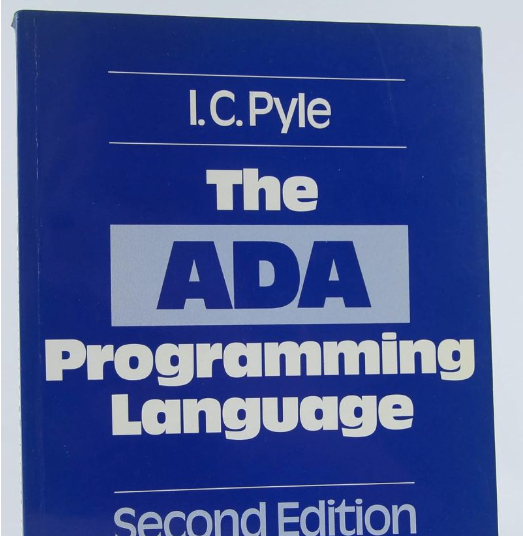
Back at Lockheed Martin, when I still had hair, they threw me into a massive high-profile Ada project.
I told my Team Lead I had zero clue what Ada was.
She didn’t blink. Just dropped “Programming in Ada” on my desk. (Yes, a physical book. You could kill a small animal with it.)
A few weeks later, I had to fix Makefiles across 2,000+ directories. I innocently asked if there was an automated tool for text editing.
She dropped another book on my desk: Perl.
It took me 4 days to learn some Perl and write the script. One day to run it.
It was glorious. I finished a 3-week estimate in 5 days. I got a promotion. I felt invincible.
Then, 4 months later, I had to look at that Perl code again.
I didn’t understand a single word. Absolute gibberish. (That’s Perl for you.)
I knew exactly what the code was doing. I had no idea how.
This is exactly where we are with AI right now.
Except now the AI writes the Perl for you. Any language, actually — language stopped being the hard part. Ask for the code, and it understands what you want.
The agents don’t, though. Not really. They’re not optimizing for your intent — they’re optimizing for their reward function, and those aren’t the same thing. If you can’t convey your intent precisely, you pay for the gap in production.
Bridging the gap is what I’ve been calling the #DivergenceGuardrail — the check that catches drift between what you asked for and what the agent actually built, before it ships.
Anyone can get a script to work.
Great engineers understand exactly how it works — and the blast radius it has on the timeline if it’s wrong.
What’s the worst code you ever wrote… and then had to revisit?